
Braces or Aligners for Your Teen? How to Choose
13 May 2026 • Eden Orthodontics
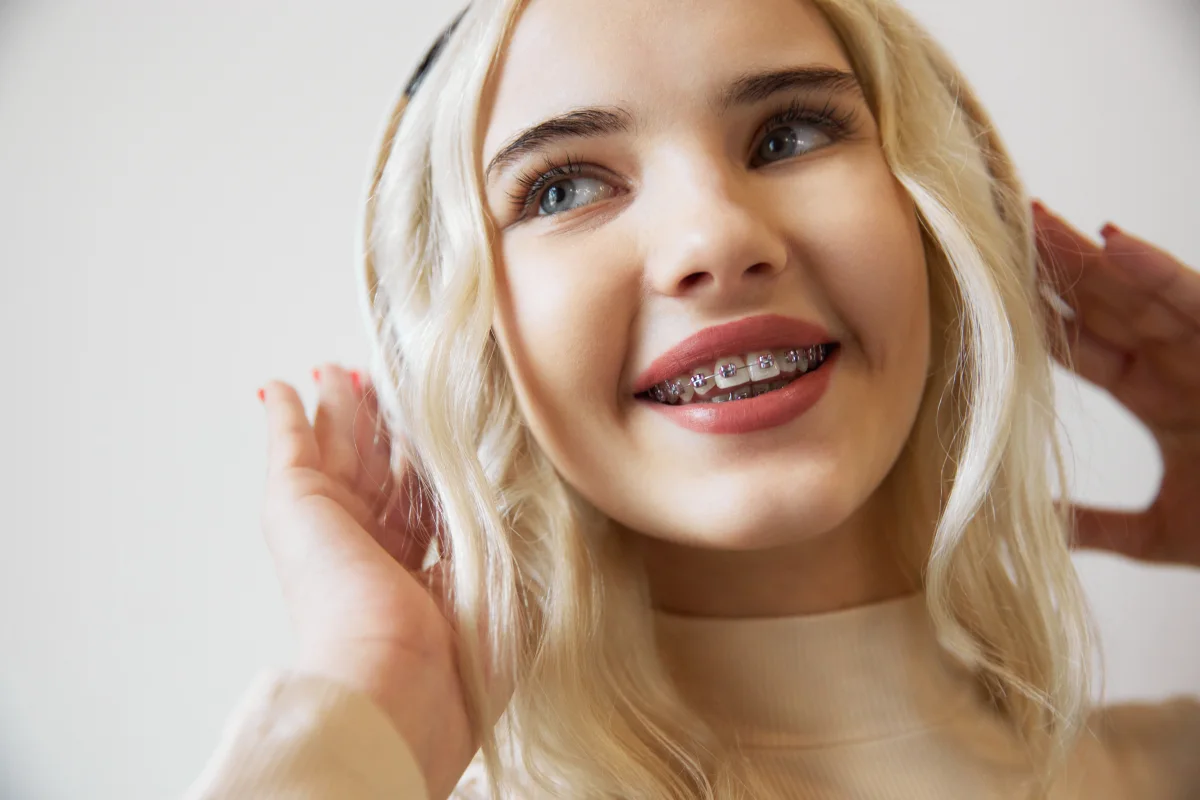
Mid-year brings school photos, sports finals, music exams, and winter tournaments. If your teen needs orthodontic treatment, you may be weighing fixed braces versus clear aligners. There is no single right answer; the best choice balances goals, lifestyle, hygiene habits, and budget.
At Eden Orthodontics in Mt Eden, we plan treatment around school calendars and use modern options including metal, ceramic, and LightForce™ braces, plus Angel Aligners and Invisalign®.
This guide compares what matters for teens, outlines appointment rhythms including Dental Monitoring, and provides a simple decision flow for parents.
The core options at a glance
- Metal braces: Strong, versatile, highly visible; reliable for complex bites
- Ceramic braces: Tooth-coloured, lower profile; similar mechanics to metal
- LightForce™ braces: 3D-printed, customised for each tooth; precise positioning and streamlined adjustments
- Angel Aligners & Invisalign®: Removable clear aligners, worn 20–22 hours/day, near-invisible, optionally monitored remotely
All options can achieve excellent results when matched to the right case and compliance level. Choice is confirmed after a Specialist Orthodontist assessment.
Lifestyle fit: sport, music, and lunchboxes
Sport and mouthguards:
- Fixed braces: Boil-and-bite mouthguards can be reformed as teeth move
- Aligners: Remove trays for games, store in a hard case, wear a sport mouthguard
- Lower-contact training: Ask if aligners can remain in
Music and speech:
- Wind/brass instruments: Braces may need wax for early rubbing
- Aligners: Generally fine; removable for performances
- Lingual braces: May temporarily affect speech
Lunchboxes and snacking:
- Braces: Avoid hard/sticky foods, clean carefully after eating
- Aligners: Must remove for all food and drinks except water; teens need a small travel kit for hygiene on-the-go
Hygiene and comfort
- Fixed braces: Daily brushing, interdental brushes, initial tenderness normal; wax and soft foods help
- Aligners: Smooth, comfortable after first few days; require consistent wear 20–22 hours/day, gentle cleaning, safe storage
Aesthetics and confidence
- Aligners and ceramic braces: Less visible, confidence-boosting for photos and performances
- LightForce™ braces: Low profile, customised fit
- Metal braces: Still popular, colour ties can add fun
Appointments, school calendars, and Dental Monitoring
- Fixed braces: Regular in-clinic adjustments planned around exams
- Aligners: Fewer in-person visits, supplemented by Dental Monitoring remote check-ins for scanning and feedback
- Remote monitoring helps teens stay on track during exam blocks, tournaments, and busy weeks
For more detail: Invisalign® in New Zealand, Angel Aligners, and other clear aligners.
Timing: best age and school-year milestones
- Typical comprehensive treatment: Ages 11–14, after most adult teeth erupt
- Early interceptive care: Younger children may benefit to guide growth or create space
- Readiness: Teen must be motivated and able to maintain hygiene and compliance
Mid-year in New Zealand is a good time to plan for internal assessments, winter sports, and year-end events. Booking now allows realistic timelines and preparation for mouthguards and school activities.
Decision flow for parents
- Goals: Least visible, quickest results, or easiest daily routine?
- Compliance: Can your teen reliably wear aligners 20–22 hours/day? If yes, aligners are viable; if not, braces may be better
- Timeline: Cases may finish in under 12 months; complexity drives duration
- Budget: Costs vary by appliance and complexity; written quotes and interest-free plans available
For deeper information, see cost of braces in New Zealand, appliance types and materials, and LightForce™ braces custom options.
Mouthguard guidance for teens
- Boil-and-bite guards for contact sports; re-mould as teeth move
- Braces: Ensure guard accommodates brackets; fitting assistance provided
- Aligners: Remove trays during matches, store safely, wear mouthguard
- Replace guards if cracked or ill-fitting
Quick FAQ
Best age for braces?
Usually 11–14, depending on tooth eruption and growth; early interceptive care may be indicated.
Should I let my child get braces?
Yes, if clinically needed and the teen is ready for hygiene and follow-through.
How to choose between braces and aligners?
Consider goals, compliance, complexity, and budget; aligners are discreet but require consistency, braces are always on.
Book a teen assessment
Plan around exams, sports, and family schedules. Eden Orthodontics offers:
- Metal, ceramic, LightForce™ braces
- Angel Aligners and Invisalign®
- Tailored plans around study, sport, and daily life
Call us to book and make a confident choice for your teen’s smile.