
Orthodontist vs Dentist: Why a Specialist Orthodontist Matters
15 October 2026 • Eden Orthodontics
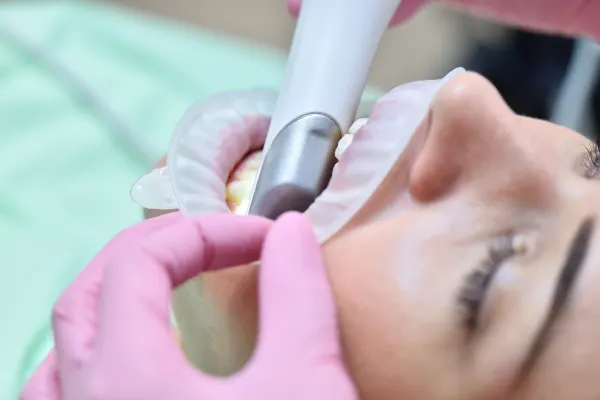
If you are thinking about braces or clear aligners, you may have noticed that both dentists and orthodontists offer tooth straightening. So what is the difference, and does it matter who you choose? In short, yes, it can, especially when it comes to how your teeth move and how stable the result is.
At Eden Orthodontics in Mt Eden, treatment is led by a Specialist Orthodontist. Here is a clear explanation of what that means, how it differs from a general dentist, and why the distinction is worth understanding before you start.
What is a general dentist?
A general dentist looks after your overall oral health. That includes check-ups, fillings, cleaning, crowns, extractions and much more. Dentists are highly trained across a broad range of dental care, and your dentist is often the first person to notice that your teeth or bite might benefit from orthodontic treatment.
Some general dentists also offer limited tooth straightening, usually for milder, mainly cosmetic cases. What they have not completed is the additional specialist qualification in orthodontics.
What is a Specialist Orthodontist?
A Specialist Orthodontist is a dentist who has gone on to complete several more years of full-time university training focused entirely on orthodontics, the science of moving teeth and correcting bites and jaw relationships. It is the same starting point as a dentist, followed by years of extra specialist study and clinical training.
That focus matters because moving teeth safely and predictably is about far more than making the front teeth look straighter. It involves how the upper and lower teeth meet, how the jaws relate to each other, tooth roots, gum and bone health, and how to keep the result stable long term.
Our practice is led by a Specialist Orthodontist with over 20 years of experience, holding a Doctorate in Orthodontics from the University of Melbourne and a Bachelor of Dental Surgery from the University of Otago, and a member of the New Zealand Association of Orthodontists. You can read more about her and the team on our meet the team page.
Why the difference matters for your treatment
For a very mild case, several approaches may work. But for most people, specialist training adds real value in a few key ways:
- Accurate diagnosis: A Specialist Orthodontist assesses not just how teeth look, but how the whole bite works, so the underlying cause is addressed, not only the appearance.
- The right treatment choice: With experience across braces and aligners, a specialist can recommend the most predictable option for your case rather than the only one on offer. Explore our types of braces and Invisalign® options.
- Complex cases: Deep bites, significant crowding, jaw-related concerns and growth in children are all areas where specialist training is particularly important.
- Stable, lasting results: Planning for retention from the start helps keep your smile straight once treatment ends.
Can going to a non-specialist affect my results?
A common concern is whether treatment by a non-specialist can lead to problems such as relapse, where teeth drift back. Any orthodontic result can relapse if teeth are not retained properly, which is why retainers matter for everyone. The advantage of specialist-led care is that the original diagnosis, planning and tooth movement are handled by someone trained specifically in orthodontics, which supports a safe, predictable result and a clear retention plan.
If you have already had treatment elsewhere and your teeth have shifted, you are not stuck with it. See our guide on whether a retainer can move teeth back for minor relapse, and book a review for anything more.
Do I need a referral to see an orthodontist?
In New Zealand, you do not need a referral from your dentist to see an orthodontist. You are welcome to book a consultation directly. If you do have a regular dentist, we are always happy to work alongside them, and keeping up with routine dental check-ups during orthodontic treatment is important for your overall oral health.
Dentist and orthodontist, working together
It is not a case of one or the other. Your dentist looks after your general oral health, while your orthodontist focuses on aligning your teeth and bite. The two roles complement each other, and good communication between them gives you the best of both. If you are comparing clinics, our guide on how to choose an orthodontist in Auckland walks through what to look for.
Frequently asked questions
What is the difference between an orthodontist and a dentist?
A dentist looks after your general oral health, such as check-ups, fillings and cleaning. A Specialist Orthodontist is a dentist who has completed several additional years of training focused entirely on moving teeth and correcting bites.
Can a dentist do braces and Invisalign®?
Some general dentists offer limited tooth straightening, usually for milder cases. A Specialist Orthodontist has specialist training across a full range of appliances and is particularly valuable for complex bites and jaw-related concerns.
Do I need a referral to see an orthodontist in New Zealand?
No. You can book a consultation with an orthodontist directly, without a referral. We are also happy to work alongside your regular dentist throughout your treatment.
Is it better to get braces from an orthodontist?
For moving teeth and correcting bites, specialist training offers accurate diagnosis, the most predictable treatment choice for your case, and careful planning for a stable, lasting result.
Talk to a Specialist Orthodontist
If you want treatment planned and led by a Specialist Orthodontist, we would love to help. Book a consultation at Eden Orthodontics in Mt Eden, and we will assess your smile, explain your options clearly, and set out a plan designed for a result that lasts.